




CELSA Entrepreneurship Club: Second Entrepreneurship Stall
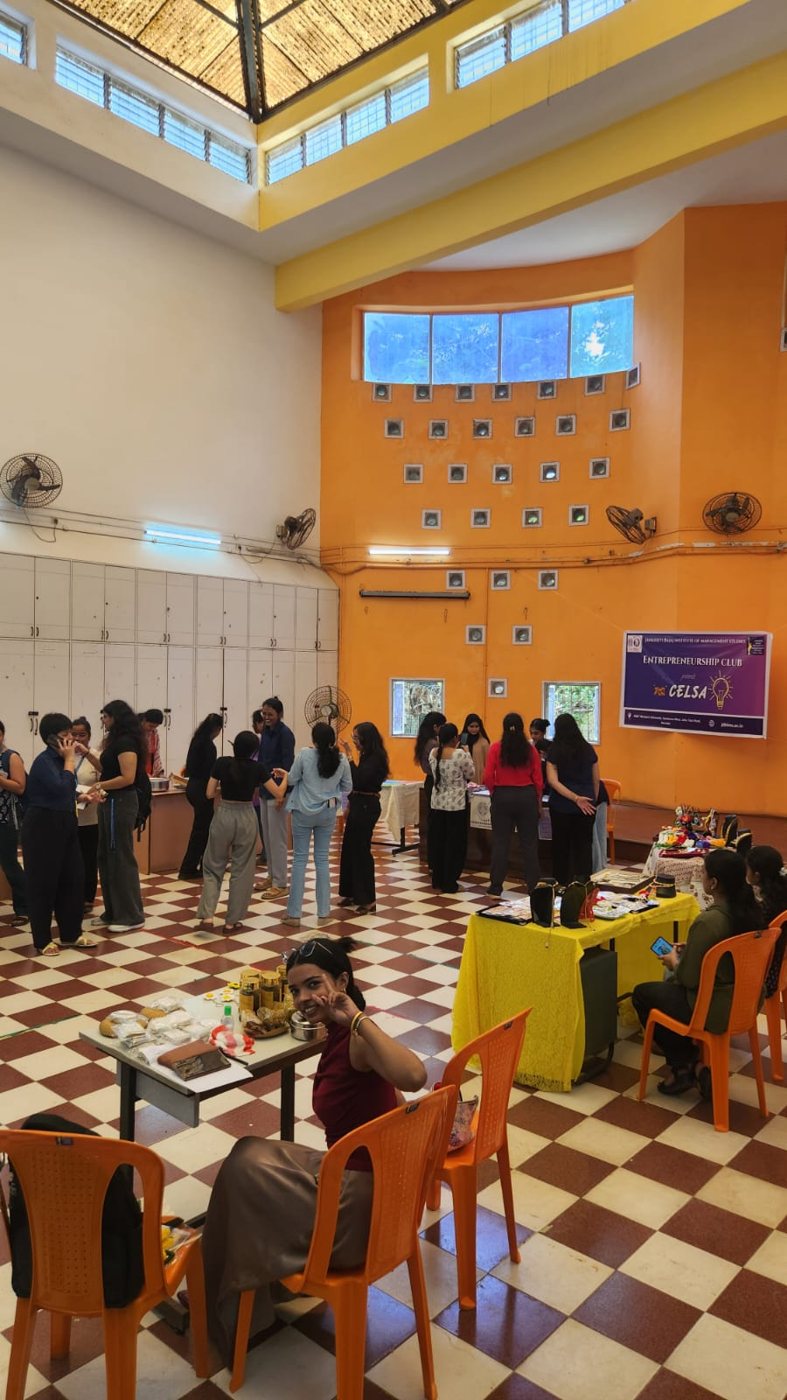
Date: 24th August 2026 Venue: Jankidevi Bajaj Institute of Management Studies (JDBIMS), SNDT Women’s University Activity: Entrepreneurship Stall – Accessories & Interactive Games
Introduction
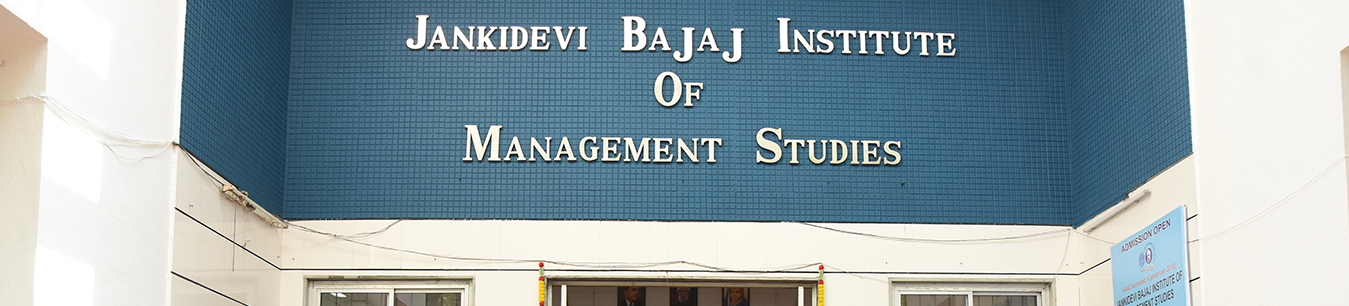
Jankidevi Bajaj Institute of Management Studies (JDBIMS), SNDT Women’s University, organised the second entrepreneurial stall under its Entrepreneurship Club – CELSA on 24th August 2026. Building on the experience of the earlier food stall, the students introduced a new concept combining fashion accessories with interactive games.
The activity aimed to provide students with practical exposure to entrepreneurship by allowing them to experience product selling, customer interaction, pricing, promotion, investment and day-to-day business operations.
The initiative provided students with an opportunity to apply their classroom learning in a practical business environment and develop essential entrepreneurial skills through hands-on experience.
Activity and Concept
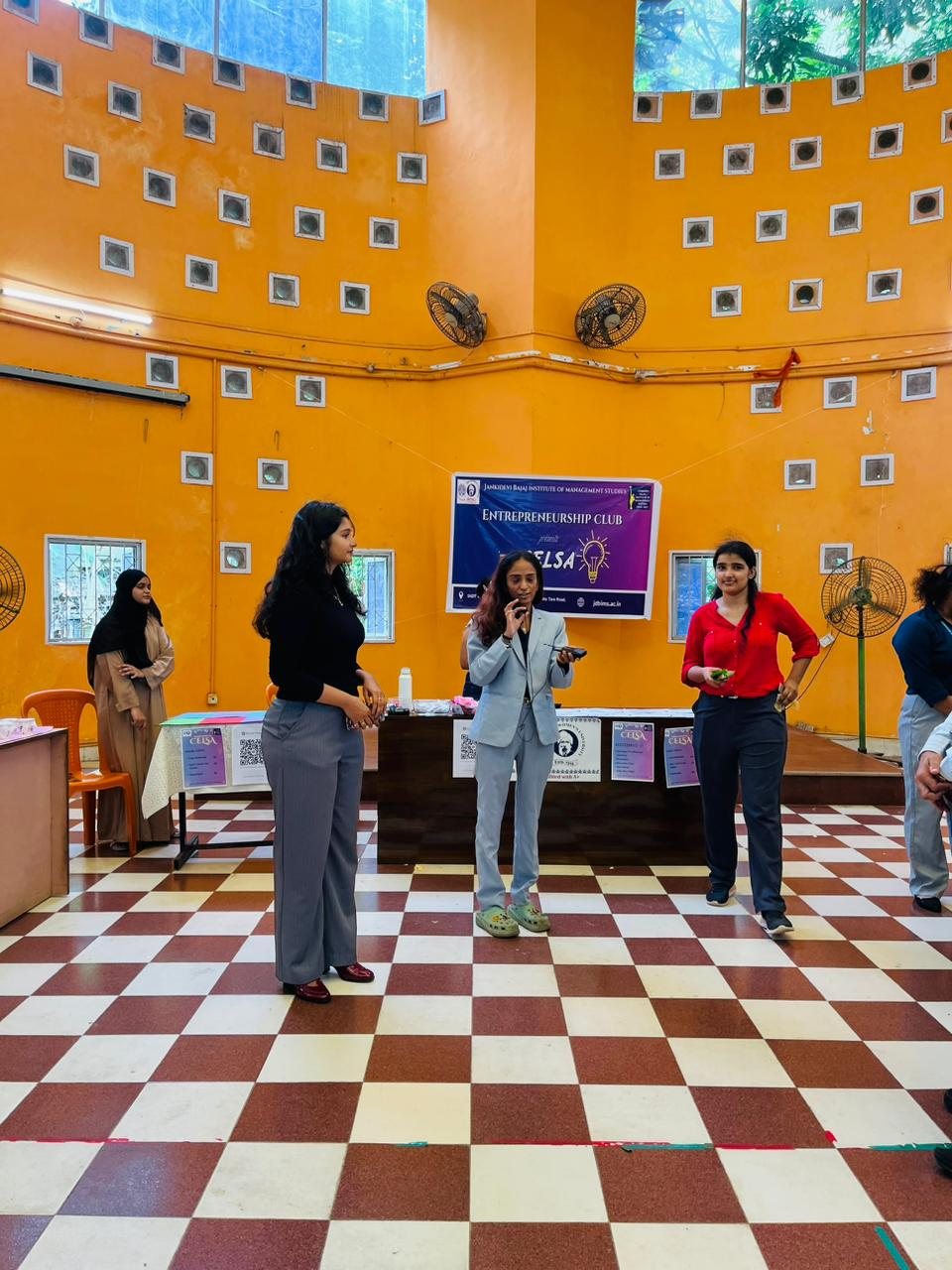
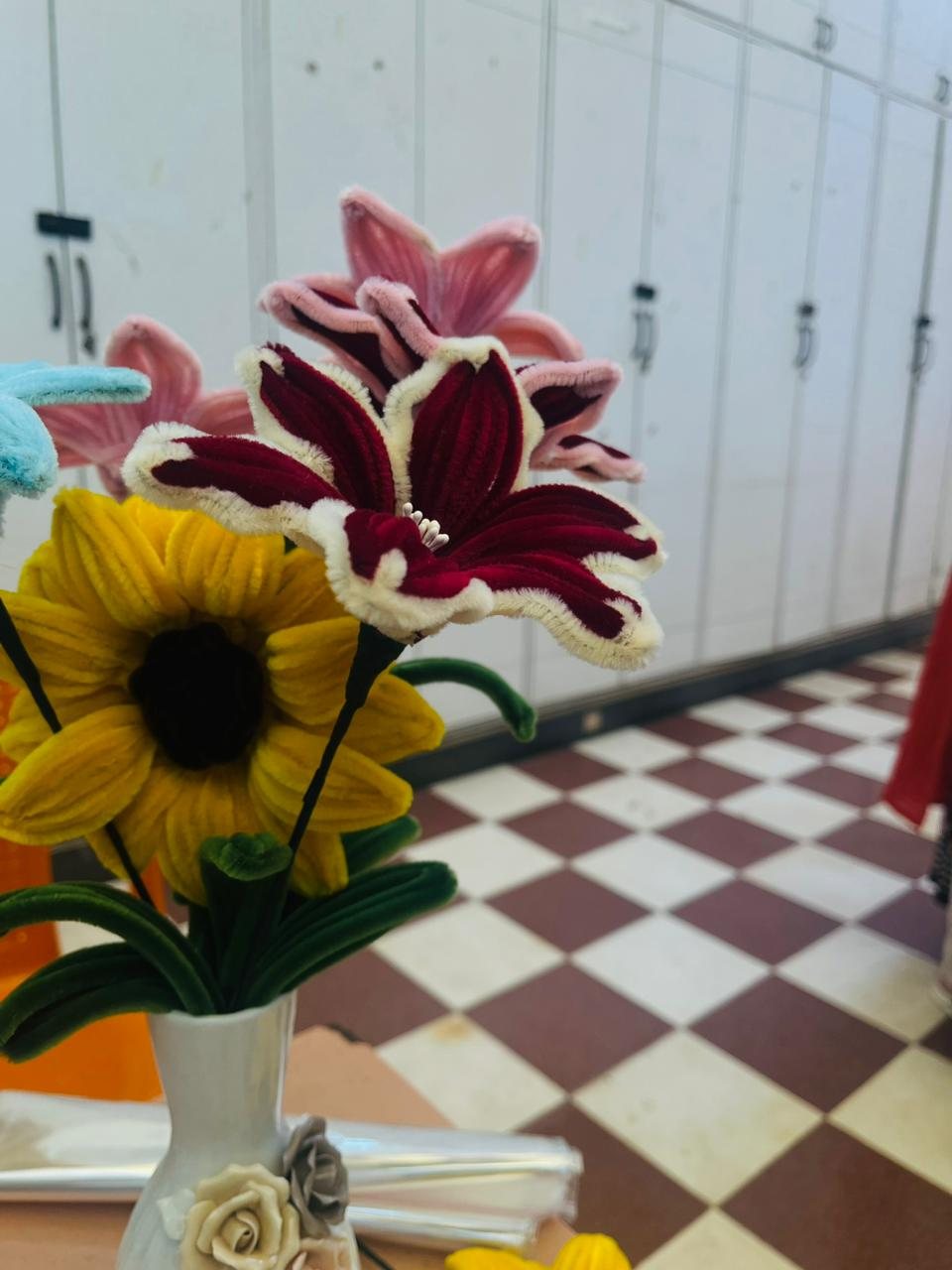
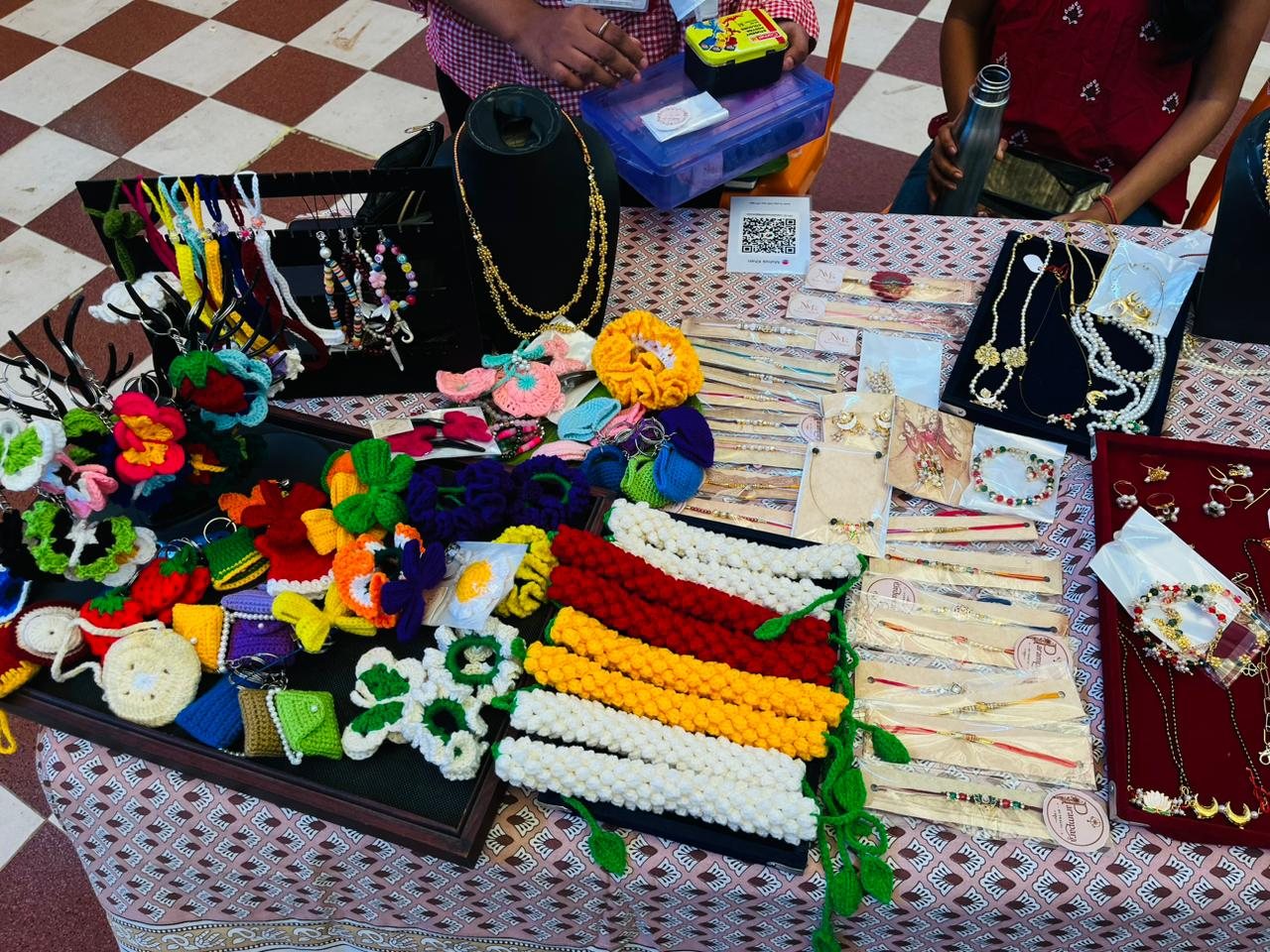
The stall featured a variety of fashion accessories along with four interactive games:
- Follow the Pattern
- Collect the Cups Challenge
- Don’t Touch the Color
- Pop the Cup
The combination of product sales and games was designed to attract students, encourage customer engagement and create an enjoyable shopping experience. Participants could purchase accessories or participate in games for a chance to win accessories as prizes.
Planning and Execution
The activity involved planning the product selection, pricing, stall arrangement, games and division of responsibilities among team members.
The games were kept affordable, while the stall was divided into separate sections for accessories and games. Team members handled customer interaction, product management, sales, game operations and overall stall management.
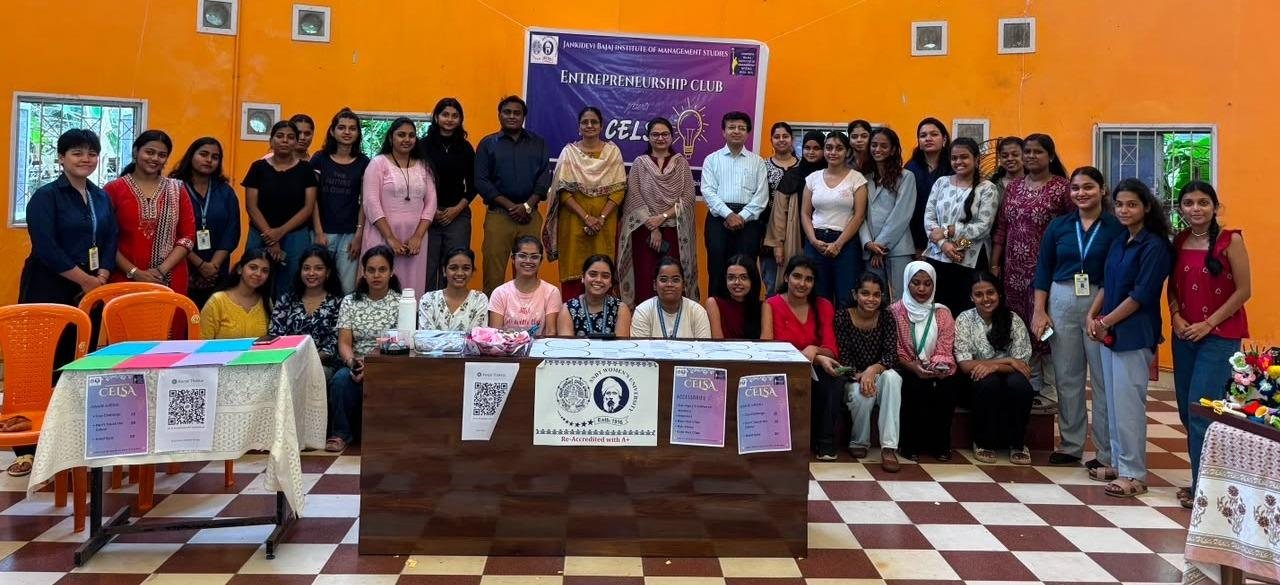
The activity was carried out by BBA II Year students along with Kunjal Thakkar, MBA II Year, with the overall coordination, guidance and supervision of Ms. Daanya Katerwala.
Marketing Strategy
The stall adopted a customer engagement-based marketing strategy rather than relying only on product sales. The combination of fashion accessories and interactive games was used as the primary attraction to generate curiosity and encourage student participation.
The key strategies included:
- Product Display: Accessories were displayed attractively and systematically to capture students' attention and provide a variety of choices.
- Interactive Marketing: Games were introduced to create engagement and increase footfall at the stall.
- Affordable Pricing: Games were priced at affordable rates to encourage greater participation.
- Prize-Based Promotion: Attractive accessories were offered as prizes, creating an additional incentive for students to participate.
- Experiential Marketing: By combining shopping with entertainment, the stall created a fun and interactive customer experience rather than a conventional selling environment.
- Word-of-Mouth and Peer Engagement: Student participation and interaction helped generate curiosity among other students and encouraged them to visit the stall.
Overall, the strategy focused on attracting customers, creating engagement and providing value beyond the product itself, making the stall distinctive from conventional product-selling stalls.
Key Learnings and Outcomes
The activity provided students with valuable hands-on exposure to:
- Investment and cost management
- Product pricing and sales
- Customer interaction and engagement
- Marketing and customer attraction
- Teamwork and division of responsibilities
- Decision-making and problem-solving
- Managing a small-scale business operation
- Understanding the concept of break-even
The stall achieved a break-even outcome, with the total investment recovered through the sales and activities conducted. The experience helped students understand that entrepreneurship involves experimentation, calculated risk-taking, adaptability and learning from outcomes.
Conclusion
The second CELSA Entrepreneurship Stall was a successful practical learning initiative. The combination of accessories and interactive games provided students with an opportunity to move beyond classroom learning and experience various aspects of running a small business.
The activity strengthened students’ entrepreneurial skills, creativity, communication, teamwork, customer handling and financial decision-making abilities.
Acknowledgement
The institute sincerely thanks SNDT Women’s University and Jankidevi Bajaj Institute of Management Studies (JDBIMS) for providing the students with this opportunity and platform to develop their entrepreneurial skills.
The institute expresses its gratitude to Prof. Dr. Mahesh V. Shitole, Director, for his guidance support and opportunity, and to Ms. Daanya Katerwala, Training and Placement Officer, for her continuous coordination, guidance and supervision in successfully managing the activity.
The institute also appreciates the efforts of the participating students and all those who supported and contributed to the successful conduct of the stall.