

Campus Internship Drive: The VFX Institute
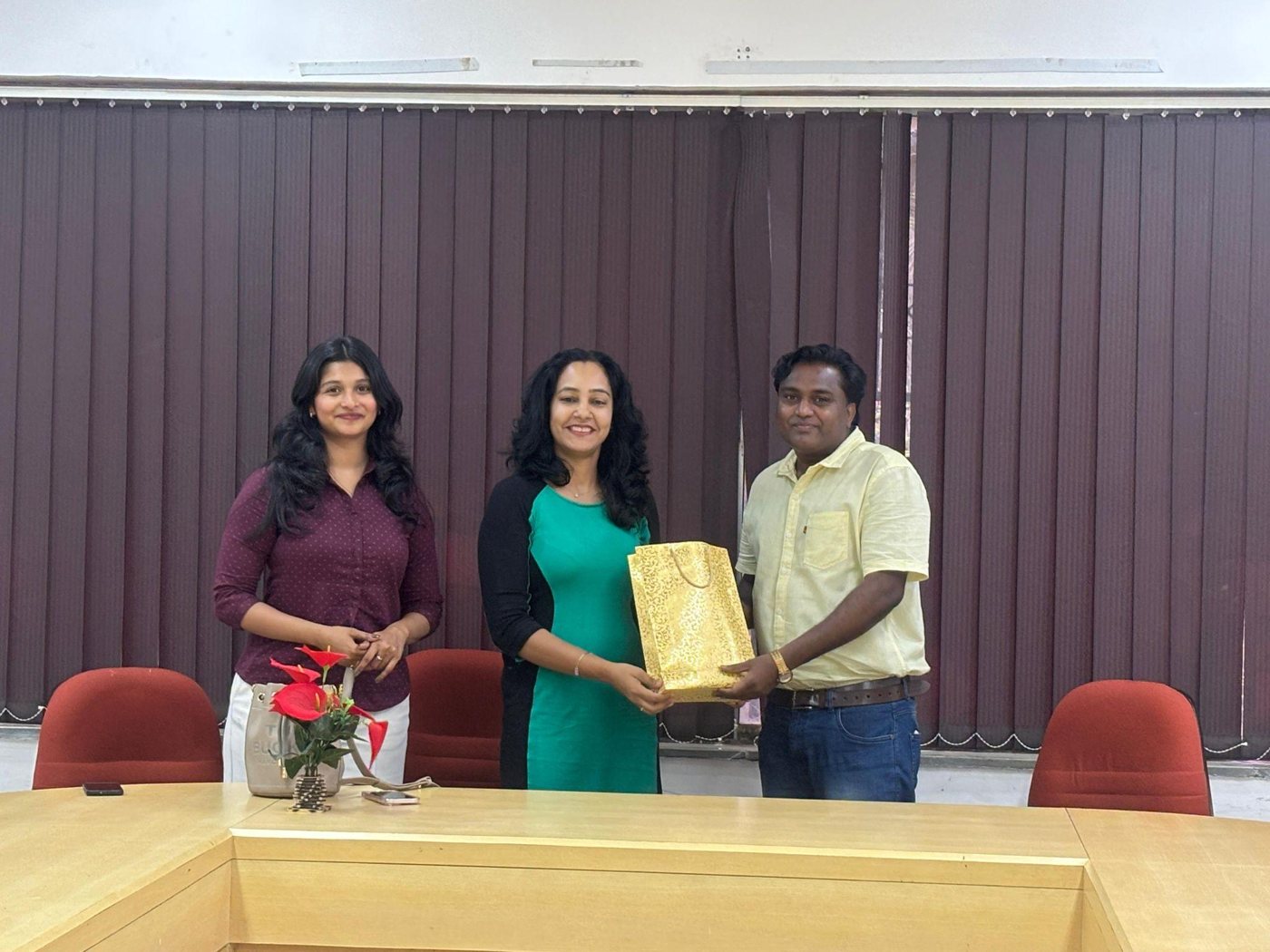
Jankidevi Bajaj Institute of Management Studies organized a Pre-Placement Talk (PPT) for the students with the objective of providing students with industry exposure and information about career opportunities in the corporate sector. The session was conducted by Ms. Nidhi Rai, founder of The VFX Institute. Conducted on 30 March, from 3 pm to 5 pm.
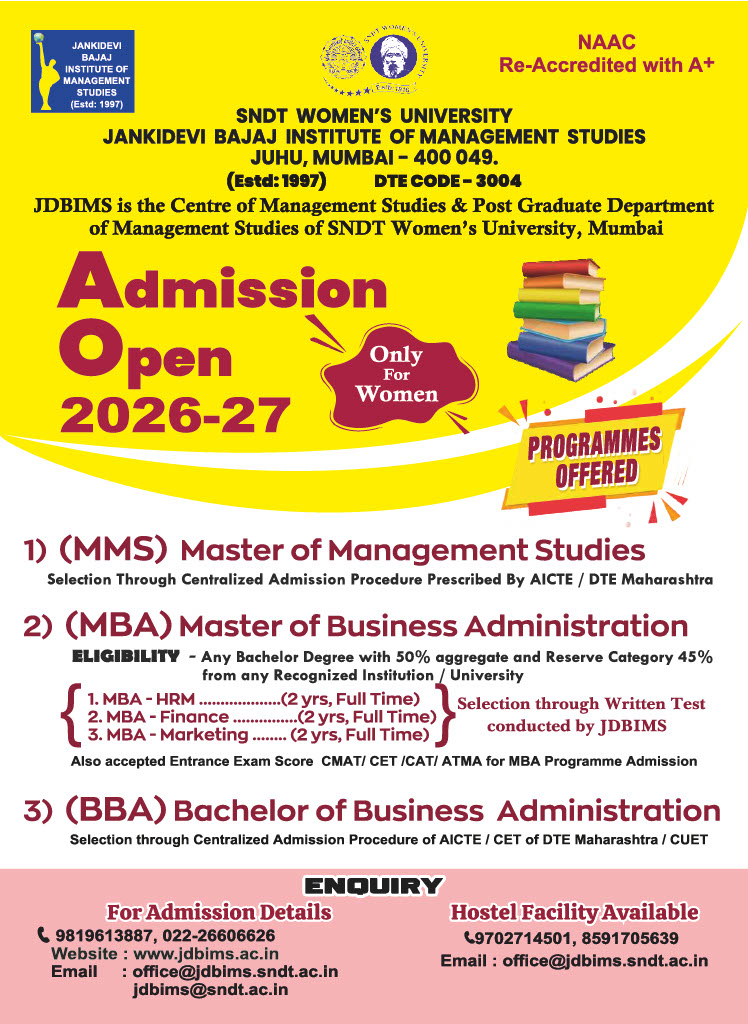
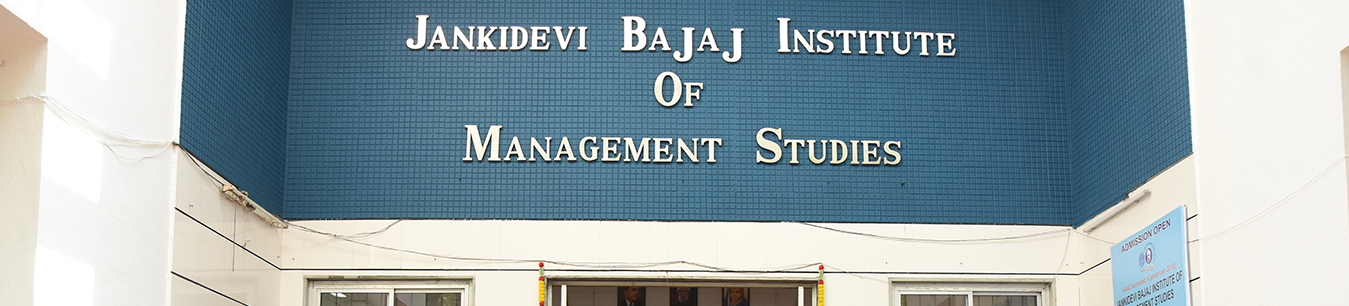
The Jankidevi Bajaj Institute of Management Studies, established on 17th August 1997, is the management studies arm of SNDT Women's University. With its two-year full-time Master’s Degree Programme in Management Studies (MMS) and Ph.D. programme in Management, JDBIMS continues to promote professional education for women while fostering academic excellence and industry engagement.
Faculty Presence and Support
Prof. Yogesh Telugu, Professor of Marketing, was also present during the session and extended his valuable academic guidance and support for the successful conduct of the Pre-Placement Talk.
Profile of the Organization & Speaker
The VFX Institute operates at the intersection of creative education and industry readiness, focusing on training students in practical domains such as video editing, graphic design, and visual effects. Its approach emphasizes hands-on learning, real-world application, and employability.Here, your imagination becomes skill and skill becomes a career. Born from real studio DNA, we train artists to think boldly, create fearlessly, and deliver visuals that turn heads across films, OTT, gaming, and advertising. With hands-on tools, industry mentors, and a placement-driven ecosystem, we don’t just teach VFX… we shape professionals who can compete with the best.With over 17 years in the field, we’ve built a reputation as Mumbai’s most trusted and result-driven creative training institute.Our dedicated placement cell, strong industry network, and portfolio-driven training help students secure jobs across top studios and agencies.Leading production houses, VFX studios, gaming companies, and digital agencies actively hire our talented graduates.
Ms. Nidhi Rai brings a strong professional background in media and journalism, having worked with reputed global organizations including BBC and CNBC. Her transition from journalism to the education and creative sector reflects a strategic shift toward empowering students with relevant, income-generating creative skills. Through her institute, she aims to bridge the gap between academic learning and industry expectations, particularly within the fast-evolving digital content ecosystem.Objectives of the Drive The internship drive was structured with the following objectives:
- To introduce students to career opportunities within the creative and media industries
- To emphasize the importance of skill-based learning alongside management education
- To provide hands-on exposure to roles in digital content creation and visual storytelling
- To identify and recruit students with creative aptitude and industry alignment
- To facilitate direct interaction between students and an experienced industry professional
Pre-Placement Engagement
The session commenced with an in-depth pre-placement talk delivered by Ms. Rai. The discussion provided a comprehensive overview of the current media landscape and the increasing demand for skilled professionals in areas such as video production, digital marketing content, and visual storytelling.
Key themes covered during the session included:
- Evolution of content consumption and the dominance of video-first platforms
- The role of storytelling in brand communication and audience engagement
- Importance of practical skills over purely theoretical knowledge in creative fields
- The impact of social media trends on career opportunities
- Building a sustainable and financially independent career in the creative industry
The session was interactive in nature, encouraging students to reflect on their skill sets and explore creative avenues as viable career options.
Roles Offered
The internship opportunities were aligned with current industry demands and included the following profiles:
- Social Media Designer & Video Content Creator
- Visual Storytelling
These roles required a blend of creativity, technical proficiency, and an understanding of digital audience behavior.
Candidate Expectations & Selection Criteria
The organization outlined specific attributes and competencies expected from candidates:
- Creativity and proactive approach toward content creation
- Basic proficiency or interest in video shooting and editing tools
- Inclination toward the film, VFX, and digital media industry
- Awareness of current social media trends and audience engagement techniques
- Willingness to learn and adapt in a fast-paced creative environment
Selection Process
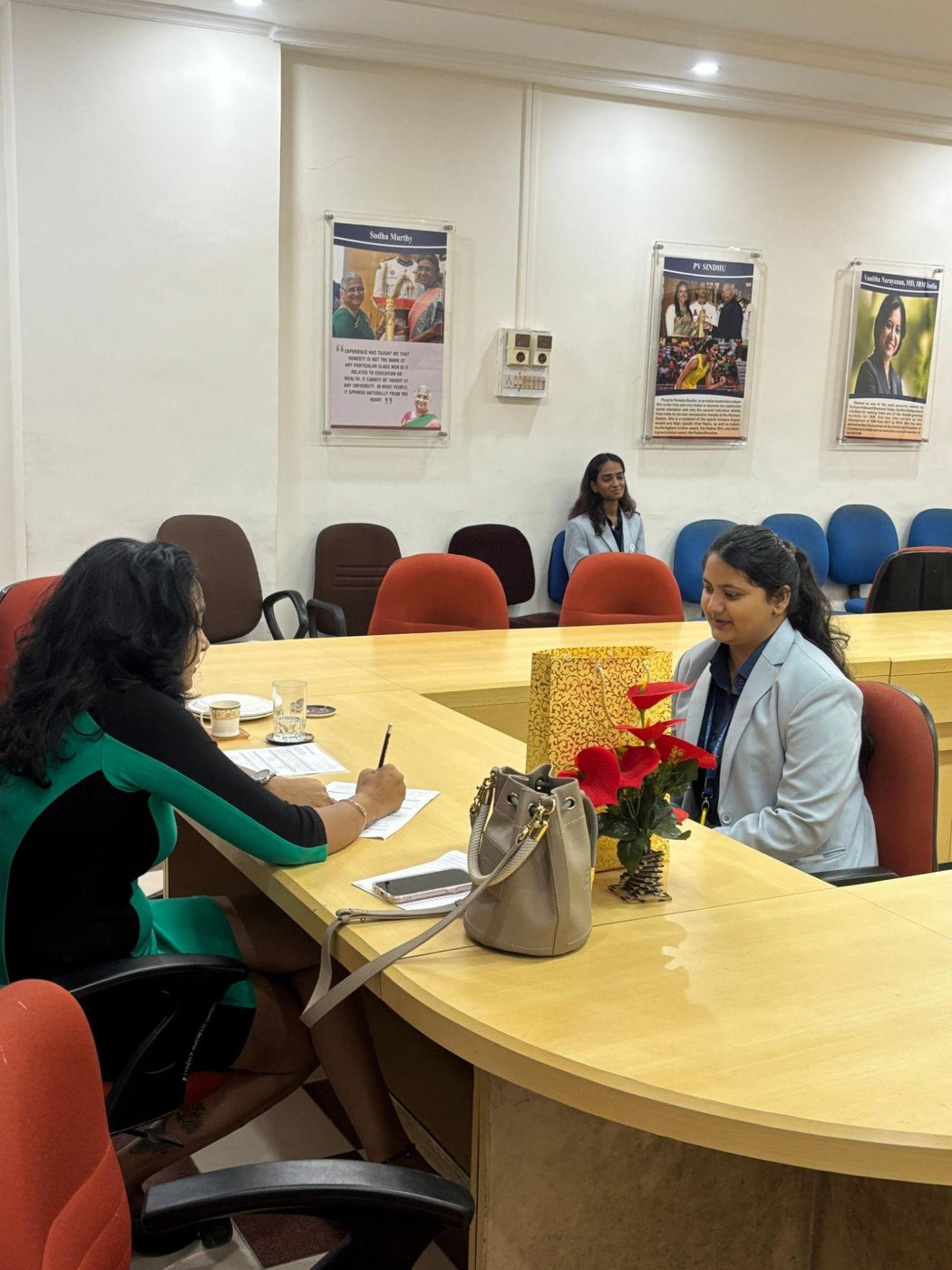
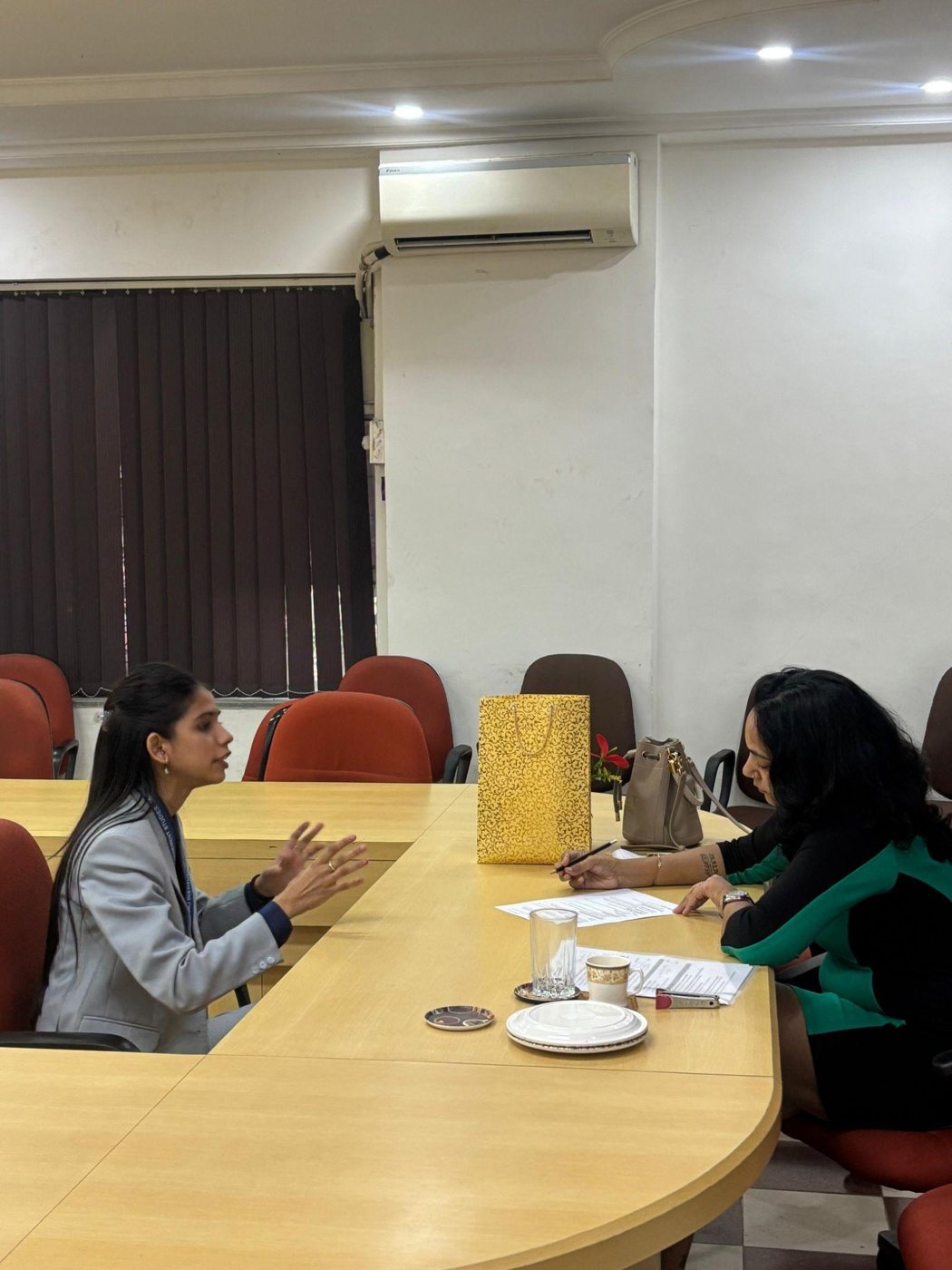
Following the pre-placement talk, shortlisted students were invited to participate in one-on-one interviews conducted by Ms. Nidhi Rai.
The interview process was designed to assess:
- Creative thinking and originality of ideas
- Practical exposure to video editing or content creation (if any)
- Communication skills and clarity of thought
- Passion for the creative industry and long-term interest in the domain
- Cultural and role fit with the organization’s expectations
The personalized format allowed for a deeper evaluation of each candidate, moving beyond traditional academic metrics to focus on real-world potential.
Key Outcomes & Observations
- The session successfully broadened students’ perspectives regarding career opportunities in the creative sector
- Students demonstrated strong interest in content creation and digital media roles
- The interaction highlighted a growing alignment between management education and creative skill-based careers
- The direct involvement of the founder added significant value, offering authentic industry insights and mentorship
- The initiative reinforced the importance of adaptability and continuous skill development in today’s job market
Conclusion
The internship drive conducted in collaboration with The VFX Institute proved to be a meaningful and impactful engagement. It not only facilitated recruitment opportunities but also encouraged students to explore dynamic and evolving career paths in the creative industry.
Such initiatives play a crucial role in bridging the gap between academic frameworks and industry requirements, ensuring that students are better prepared for diverse professional landscapes.